

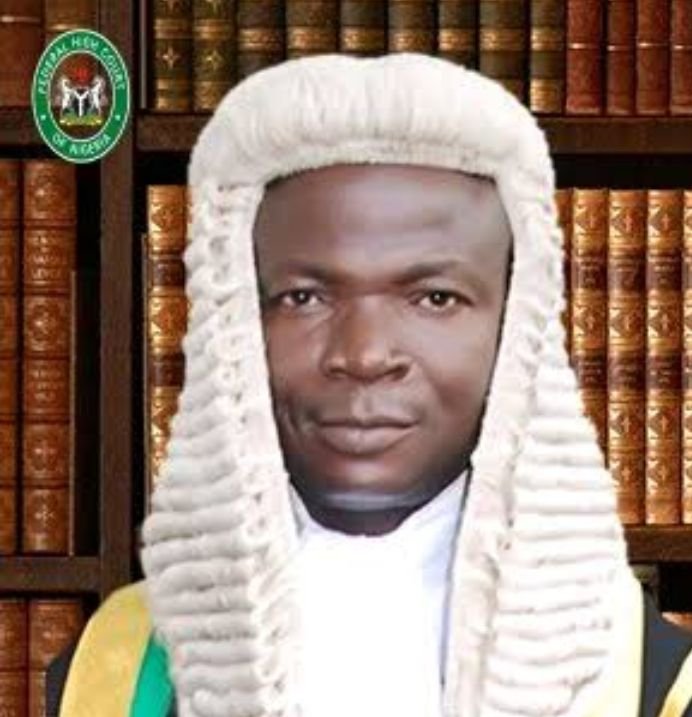
Justice James Kolawole Omotosho stands as a key figure in Nigeria’s court system. On November 20, 2025, he made headlines by sentencing Nnamdi Kanu, leader of the Indigenous People of Biafra (IPOB), to life in prison for terrorism charges. This ruling sparked wide debate across the country. It highlighted Omotosho’s role in handling tough cases that touch on politics and security. As a judge at the Federal High Court in Abuja, he deals with matters that affect the nation’s future. This article explores his life story. It covers his roots, learning years, work path, challenges faced, family side, and lasting mark. Readers will gain clear insights into how one man’s choices shape justice in Nigeria. Through simple stories and facts, we aim to make his path easy to follow and understand.
Early Life
James Kolawole Omotosho entered the world on July 21, 1966, in Ajegunle, a busy part of Lagos State. Ajegunle is known for its lively streets and mix of people from all walks of life. Though born there, his family ties go back to Ijemo-Abeokuta in Abeokuta South Local Government Area, Ogun State. This Yoruba town holds deep cultural roots for him. Growing up in Ajegunle meant facing real-life tests early on. The area has crowded homes and limited chances, yet it builds strong spirits. Omotosho saw poverty and hard work up close. These sights likely pushed him to seek better paths.
His childhood unfolded in a time of change for Nigeria. The country shifted from military rule to civilian ways in the 1970s and 1980s. Young James watched families struggle with jobs and basics like food and school. Ajegunle’s music and markets filled the air, teaching him about community bonds. Sources note he came from a modest home, where parents stressed value in learning. No full details exist on his parents’ names or jobs, as he keeps such matters private. Still, this setting shaped his sense of fairness. It prepared him for a career fighting wrongs through law.
By his teen years, Omotosho showed interest in studies. Ajegunle’s challenges did not break him. Instead, they fueled a drive to rise above. He learned to navigate tough spots, a skill that later helped in courtrooms. His early days mirror many Nigerians’ stories of grit. From these streets, he stepped toward formal education. This foundation set the stage for a life in public service. Today, at age 59, he reflects on those times as lessons in resilience. Readers can see how simple beginnings often lead to big impacts in fields like justice.
Education
Omotosho’s school journey started with a focus on practical skills. In the late 1980s, he earned a National Certificate in Education (NCE) in Economics and Business Management from Lagos State College of Education. This program taught him basics of money matters and trade. It suited Nigeria’s growing economy then, with oil booms and new markets. The NCE opened doors to teaching or business roles. Yet, Omotosho chose a different road. He saw law as a tool to help people directly.
Next came his law studies at Olabisi Onabanjo University (OOU) in Ago-Iwoye, Ogun State. From 1990 to 1996, he pursued a Bachelor of Laws (LL.B.). OOU, once called Ogun State University, has a strong law faculty. Classes covered contracts, crimes, and rights. Omotosho thrived there, blending his economics knowledge with legal rules. The campus life in Ago-Iwoye offered calm amid studies. Peers recall him as focused and kind.
After graduation, he headed to the Nigerian Law School. Between 1996 and 1997, he trained in Lagos or Kano branches. The school sharpens skills through mock trials and ethics lessons. In 1997, Omotosho was called to the Nigerian Bar as a Barrister at Law. This step marked his entry into professional law. No higher degrees like master’s are noted in records. His path shows a steady climb from basics to expertise.
This education mix proved useful. Economics helped in commercial cases, while law built his core strength. Omotosho’s choices reflect Nigeria’s post-colonial shifts, where many switched fields for stability. For students today, his story encourages blending interests. It proves targeted learning leads to meaningful work. By 1997, at age 31, he was ready to practice what he learned.
Career
Omotosho’s work life began right after bar call. From 1998 to 2007, he served as a State Counsel in the Ministries of Justice for Lagos and Ogun States. In this role, he handled civil and criminal files. Tasks included advising government on disputes and prosecuting minor cases. Lagos courts buzzed with urban issues like land fights and debts. Ogun added rural angles, like farm rights. These years built his courtroom ease. He learned to argue facts clearly, a habit that stuck.
In 2007, Omotosho moved to private practice. This lasted until 2015. He joined firms focusing on litigation and counsel. Clients ranged from businesses to locals. He took pro bono cases for community needs, like neighbor quarrels in Ajegunle. Private work honed his strategy skills. He drafted contracts and settled out-of-court deals. Earnings grew, but he eyed public impact. Nigeria’s 2010s saw rising court backlogs, pulling dedicated lawyers to benches.
A big turn came on February 12, 2015. The National Judicial Council (NJC) recommended him for Federal High Court. President Goodluck Jonathan’s team swore him in. Assigned to Abuja, he joined Division A for federal matters. Early cases involved elections and funds. By 2018, he ranked as a senior judge. His docket filled with national issues, from security to politics.
Over 10 years on the bench, Omotosho cleared hundreds of files. He values speed without rush, per NJC guidelines. Colleagues praise his prep work. His career spans 27 years total by 2025. It shows steady growth from counsel to decider. For young lawyers, it highlights patience and service. Omotosho’s path proves public roles reward commitment.
Rise in the Federal High Court
Omotosho’s climb in the Federal High Court started strong in 2015. Abuja’s court handles nationwide cases, like those on rights and crimes. He adapted fast to high stakes. By 2017, he led key hearings on bank frauds. His rulings followed evidence, earning trust from lawyers.
In 2020, amid COVID rules, he managed virtual sessions well. This kept justice flowing. The NJC noted his efficiency in reports. By 2023, he took on political files, like party fights in Rivers State. His January 2024 order voided state budgets tied to disputes. This showed his grasp of federal powers under the 1999 Constitution.
The 2025 Nnamdi Kanu trial boosted his profile. On November 20, he convicted Kanu on seven counts after reviewing broadcasts and orders. He chose life over death, citing mercy. Kanu left court mid-ruling for disruptions, but Omotosho pressed on.
Other 2025 cases include APGA leadership rows. He issued stays on elections to ensure fair play. Financial probes, like a N1.96 billion fraud trial, also fell to him. His list of handled matters grew to over 200 by mid-2025.
This rise stems from NJC picks and Senate nods. Omotosho’s work load reflects court needs, with Abuja seeing 40% more cases post-2023 elections. At 59, he nears top ranks. Possible Court of Appeal moves loom if NJC approves. His story inspires: dedication lifts one from state halls to federal peaks.
Controversies and Criticisms
Omotosho’s career draws praise and questions. Critics point to bias claims in political cases. In the Rivers State crisis, his ex parte orders halted assembly moves without full hearings. Some say this favored one side, sparking media probes on July 15, 2024.
The Kanu ruling on November 20, 2025, fueled more heat. Groups like SERG called it rushed, ignoring defense rights under Section 36(12) of the Constitution. Kanu’s team labeled it a “legal impossibility,” citing repealed terrorism laws. IPOB filed appeals, questioning fairness. A Vanguard piece on November 9, 2025, dubbed his style “À La Carte Law,” picking rules to fit outcomes.
Other flak includes a N9 million cost award in a Rivers file, seen as harsh. Legal experts list flaws like haste in Kanu’s six-day defense window. On November 21, 2025, calls rose for NJC review.
Defenders note evidence drove rulings. Omotosho followed proofs in videos and witness tales. No formal sanctions hit him yet. These debates highlight Nigeria’s judicial strains. They push for clearer rules. For readers, they show judging’s tough balance.
Key points of criticism include:
- Use of old laws in new contexts.
- Quick ex parte decisions.
- Perceived tilt in political rows.
- Defense limits in high-stakes trials.
Omotosho stays silent on personal replies, letting work speak.
Personal Life
Omotosho leads a quiet home life away from court lights. He is married, but his wife’s name stays private to shield family. They share children, numbers undisclosed. Sources hint at a supportive spouse who handles home amid his busy days. No public photos or stories surface, true to judicial norms.
He enjoys low-key hobbies like reading and Ogun State visits. Community service ties back to Ajegunle roots, aiding local youth. No scandals mark his record. Net worth guesses range from 500 million to 1 billion naira. This stems from judge pay of about 10 million naira yearly, plus perks like homes. Assets include Abuja quarters, no verified luxuries.
His routine blends work and rest. Mornings start with case reviews, evenings with family talks. This balance keeps him grounded. For many, it models steady living in power roles.
Conclusion
Justice James Omotosho’s story weaves from Ajegunle alleys to Abuja’s high bench. Born in 1966, he turned early hurdles into legal drive. Education at OOU and Law School armed him for counsel days, then judgeship in 2015. His rise handled key 2025 cases like Kanu’s, amid critiques on fairness.
Challenges test him, yet facts guide his path. Private life anchors his public duties. At 59, Omotosho shapes Nigeria’s law landscape. His work reminds us justice needs care and courage. Follow appeals and reforms for more. This tale educates on one man’s role in a big nation.
FAQs
Who is Justice James Omotosho?
He is a Federal High Court judge in Abuja, born July 21, 1966, known for terrorism and political cases.
Where did Justice Omotosho grow up?
He grew up in Ajegunle, Lagos, from Ijemo-Abeokuta roots in Ogun State.
What is Justice Omotosho’s education?
NCE in Economics from Lagos State College, LL.B from Olabisi Onabanjo University (1990-1996), and bar call in 1997.
How did Justice Omotosho start his career?
As State Counsel in Lagos and Ogun from 1998, then private practice until 2015 judge appointment.
What are some controversies around Justice Omotosho?
Critics cite bias in ex parte orders and Kanu ruling haste, like using repealed laws.
Is Justice Omotosho married?
Yes, but family details remain private.
What is Justice Omotosho’s net worth?
Estimates place it at 500 million to 1 billion naira from salary and allowances.
What major case did Justice Omotosho handle in 2025?
Nnamdi Kanu’s terrorism trial, ending in life sentence on November 20.
